
What’s Next?
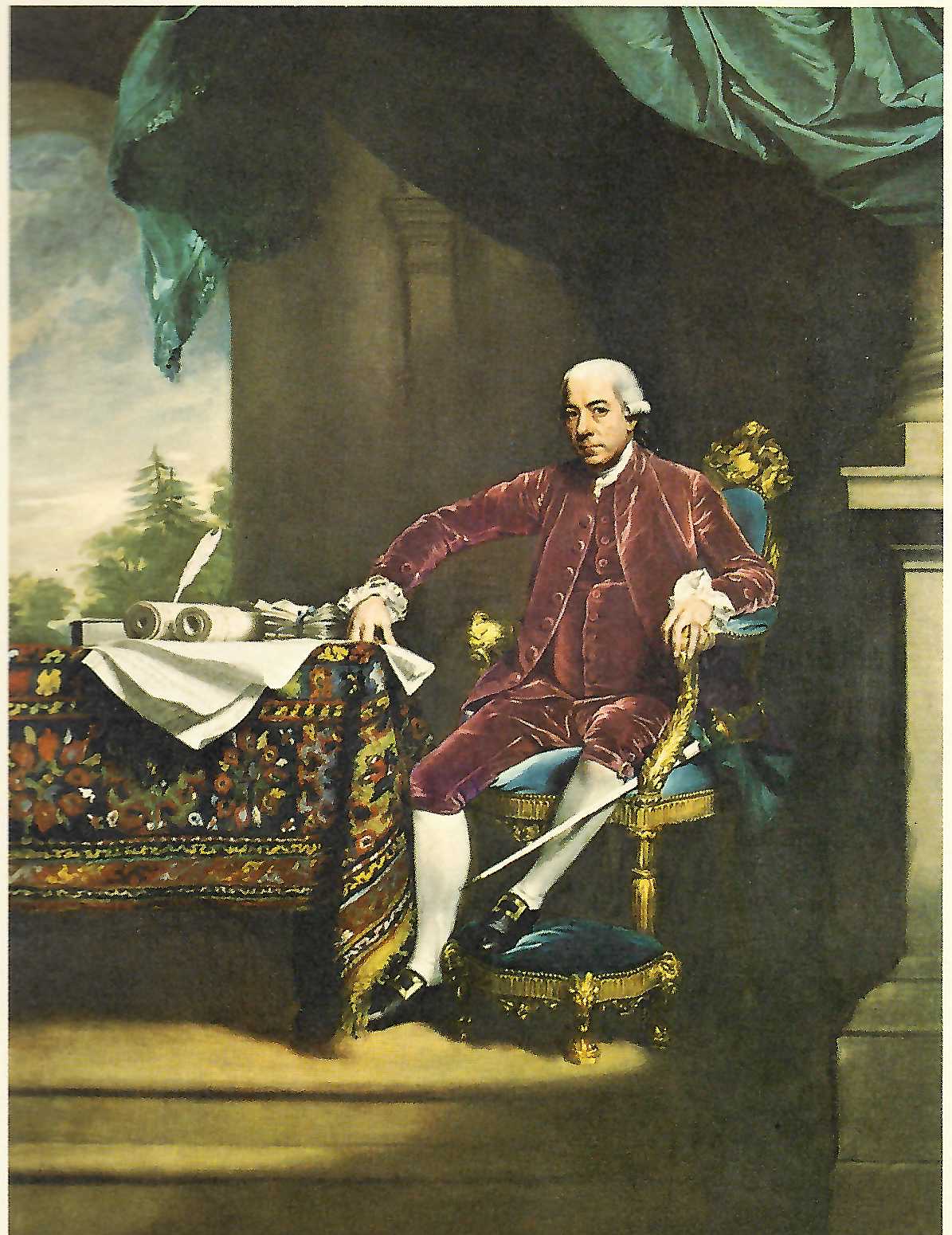
Henry Laurens
When twenty-three-year-old Henry Laurens returned to Charleston in the summer of 1747 after a three year apprenticeship in London, he faced, as he wrote, a “Multiplicity of perplexing problems.” His future prospects seemed uncertain with England at war, and Spanish and French privateers cruising off the coast and seizing merchant vessels.
He returned to his birthplace in hopes of beginning his career as a merchant in the Carolina trade—importing finished goods from England, rum from the West indies, and African slaves, and exporting the colony’s bounty back to Europe.
In spite of this shaky start, he prospered to become one of the richest men in the thirteen colonies, which by 1777, were in open rebellion against England. He became one of the leaders of the fledging new nation, serving as the President of the Continental Congress in that year and becoming a close friend of George Washington.
Slavery was the source of his great wealth. He became an expert in the art of marketing and selling African slaves to South Carolina’s planters, who grew rice and indigo for export to European market. He then used his profits to build his own plantations, employing his slaves in an amazing variety of ways: skilled craftsmen, boat builders, ship captains, field hands, overseers.
This is the story of Henry Laurens’ rise and how in the end he came to abhor the institution that had made him rich, and call for its abolition. His close association with his slaves forced him to see their common humanity and unjustness of the institution he first championed.