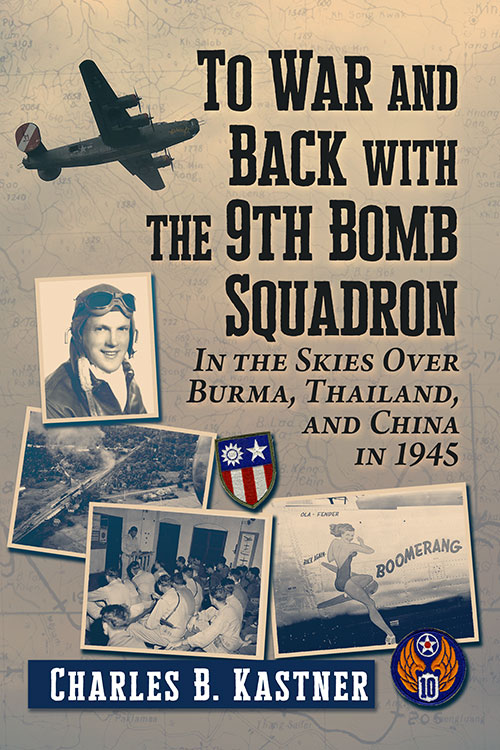





To War and Back with the 9th Bomb Squadron: In the Skies Over Burma, Thailand, and China in 1945

To War and Back follows my father, Lt. Walt Kastner, from the start of World War Two until its end.  He joined a new B-24 bomber crew as a navigator that fought with the 9th Bomb Squadron from its base in India during the drive to liberate Burma from the Japanese Army.  To this end, his air crew attacked Japanese troop concentrations that barred the advance of the British 14th Army, and flew missions deep into Thailand, including attacking the Burma-Siam Railway, the crucial rail link that carried supplies that fed and equipped the Japanese Army in Burma—a railway made famous by the movie, The Bridge on the River Kwai.  When air combat ended in May 1945, the squadron moved to Assam in eastern India, where they hauled aviation gasoline over the Himalayas to 14th Air Force in China.  Flying “the Hump” exposed them to the most dangerous flying conditions in the world.  They flew the Hump until they were sent home in October 1945.

Order Online

About the Author

Charles Kastner is a Seattle based writer who spent the last seven years learning and writing about his father’s service as a navigator on a B-24 in India during World War Two. Prior to that, he spent twenty years learning and writing about the bunion derbies. In 2007, the University of New Mexico Press published his history of the 1928 race; in 2014, Syracuse University Press published his history of the 1929 race. He holds advanced degrees in business administration, history, and environmental biology. Kastner has run twenty-five marathons and one ultramarathon over a racing career that began when he joined his high school cross country team in 1970. In recent years, he has taken up the sport of boxing, a throwback to the days of the bunioneers, when many were both accomplished long-distance runners and prize fighters.

Read More

What People Are Saying

“By telling Walt Kastner’s story, his son Charles shines a light on one of the most forgotten—and brutal—sectors of WWII: the China-Burma-India Theater. Charles expertly chronicles his father’s journey from a boyhood spent salmon fishing on Puget Sound to wartime service as a B-24 Liberator navigator with the ‘Flying Cobras’ of the 9th Bomb Squadron, from their low-level, high-risk bridge-busting sorties along Burma’s infamous ‘Railway of Death’ to the mundane yet often harrowing flights over the Himalayas delivering gas to China via a ‘sky road’ that’s still dotted with the wrecks of hundreds of American warplanes.”

—Chris Carola, former Associated Press reporter, Albany, New York

“Over the last 30 plus years of archival research NICOM, Inc., has had the opportunity to assist many authors with their book projects. However, one of our chief business highlights has been to work with Charles Kastner on To War and Back With the 9th Bomb Squadron. It was a true voyage of discovery in our research to delve into the war taking place in the skies above India and Burma, a too frequently overlooked theatre of war in World War II. It is particularly gratifying to see how Kastner used the evidence we uncovered to tell the story of his father and his crew in the CBI. His writing is not only thoroughly entertaining, but his prose continually increases our understanding of this aspect of the war and deepens our respect for the men who were part of it and prevailed. Kastner’s writing crystallizes the experiences of his father and his crew as they all ‘sacrificed their tomorrows’ for all of us.”

—Dr. John Arnold, president, NICOM, Inc.

Book Signings
& Events

With the new book out, "To War and Back with the 9th Bomb Squadron," book events are being scheduled.

Subscribe to the newsletter to be notified of upcoming events.
What’s Next

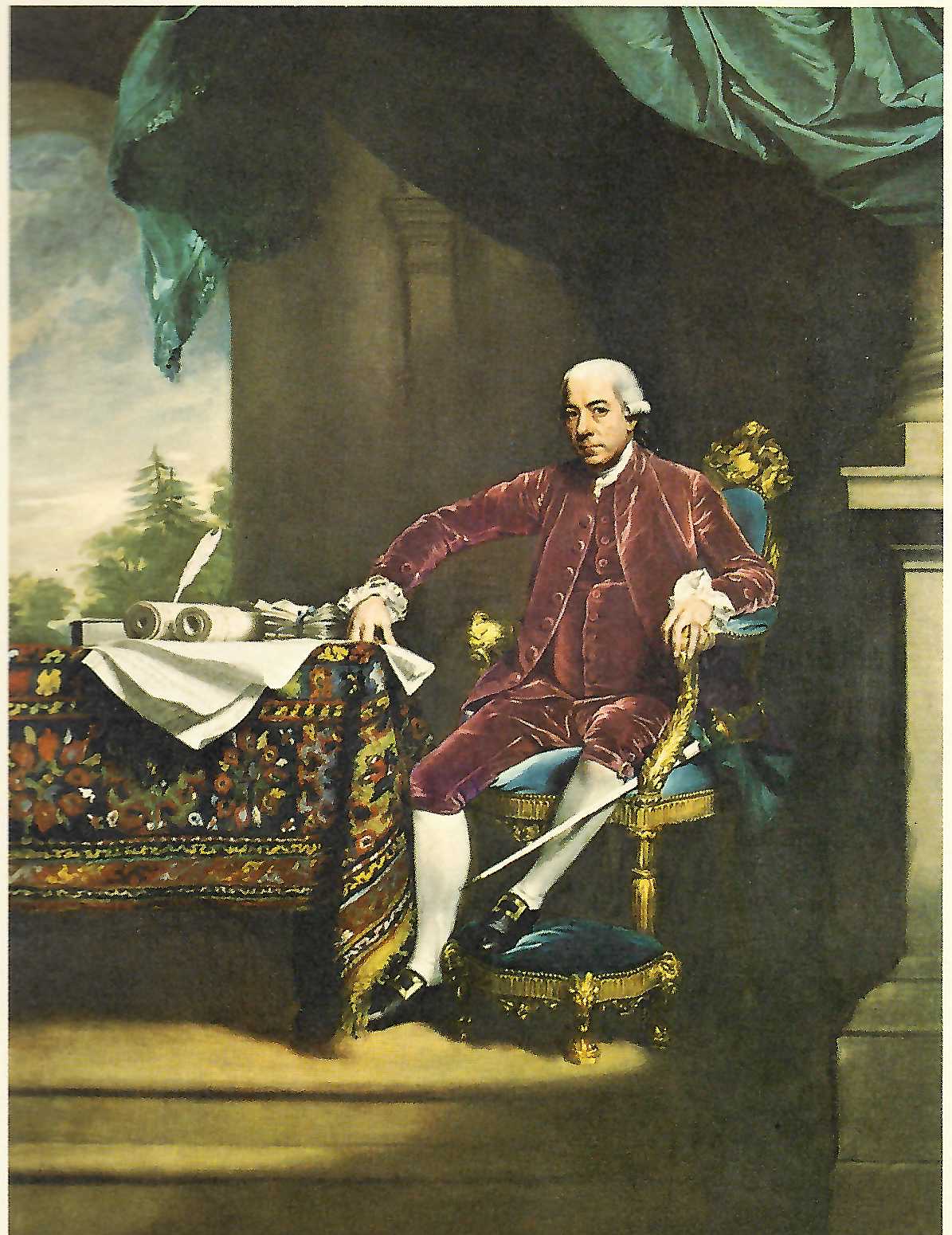
When Henry Laurens returned to Charleston in 1747, his future was uncertain—war raged abroad, privateers stalked the coast, and opportunity was anything but guaranteed. Yet from these unstable beginnings, Laurens rose to become one of the wealthiest men in the colonies and a leader of the American Revolution.

His fortune was built through slavery, an institution he once embraced and later came to condemn.

Pin It on Pinterest

Share This